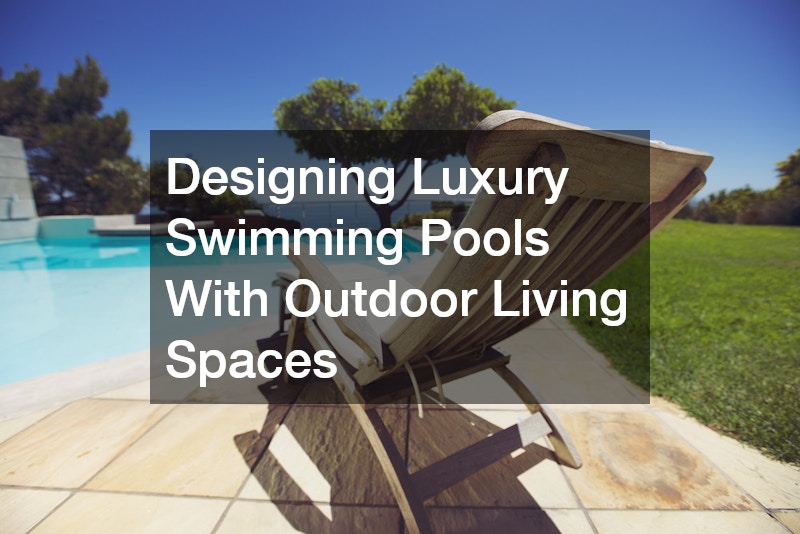
Designing a high-end outdoor environment is about much more than installing a pool or adding a patio. Today’s luxury backyards are fully integrated living spaces that blend architecture, landscape design, and lifestyle needs into a single cohesive environment. When done correctly, the result is a seamless extension of the home—an area that supports relaxation, entertainment, wellness, and year-round enjoyment.
However, achieving this level of design requires careful planning. Every decision—from layout and materials to drainage and privacy—affects how the space functions long-term. Poor coordination between elements can lead to maintenance issues, wasted space, or a disjointed aesthetic.
This guide walks through the essential components of creating a luxury outdoor living space centered around a pool, helping homeowners understand how professionals approach design, construction, and long-term usability.
1. Building a Cohesive Outdoor Vision Before Construction Begins
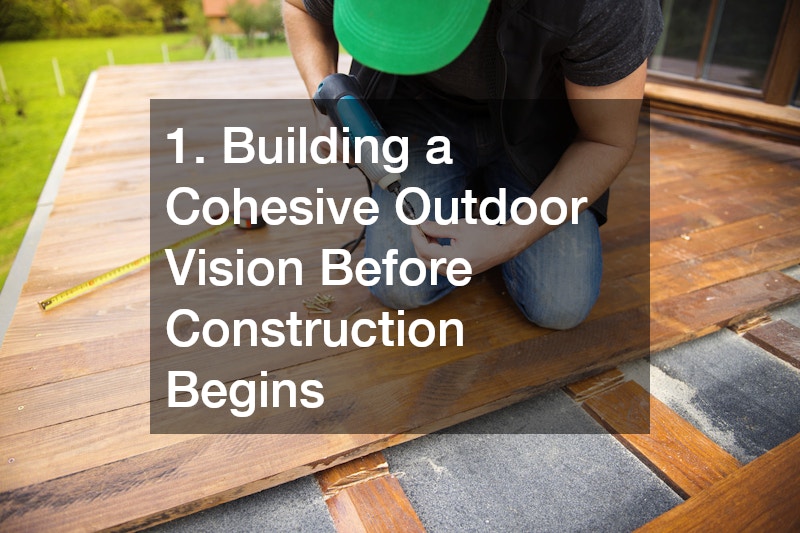
Creating successful luxury swimming pools starts with a clear overall vision. A custom pool builder plays a central role in translating lifestyle goals into a functional design that works with the property’s natural layout. Without early planning, even high-quality installations can feel disconnected or underutilized.
When planning a luxury outdoor space, key considerations include:
- How the pool will be used (entertainment, exercise, relaxation, or all three)
- The natural slope, sunlight exposure, and wind patterns of the yard
- Flow between indoor spaces and outdoor zones
- Privacy requirements and neighboring structures
- Future expansion possibilities
Working with designers early ensures that the pool, seating areas, and landscape features are integrated rather than added separately. A well-planned layout typically includes:
- A central focal point (often the pool itself)
- Secondary gathering areas for dining or lounging
- Transitional zones that connect indoor and outdoor environments
- Hidden utility areas for equipment and storage
When these elements are aligned from the beginning, the final result feels intentional and balanced rather than pieced together over time.
2. Selecting Experts Who Specialize in High-End Pool Design
Not all pool professionals are equipped to handle luxury projects. Working with experienced luxury pool contractors is essential when the design involves custom shapes, advanced systems, or complex landscaping integration. These professionals typically have a stronger understanding of architectural coordination and high-end materials.
What sets premium contractors apart:
- Experience with multi-feature pool systems (waterfalls, spas, lighting integration)
- Ability to coordinate with architects and landscape designers
- Strong portfolio of completed luxury installations
- Advanced knowledge of materials and structural engineering
When evaluating contractors, homeowners should ask:
- How many custom projects similar to mine have you completed?
- What challenges do you typically encounter in high-end builds?
- How do you manage communication during long projects?
- Can you provide references from previous clients?
The quality of the contractor directly impacts both the design outcome and the long-term durability of the space. A well-qualified team ensures that aesthetics and functionality remain balanced throughout construction.
3. Designing Comfort Into the Pool Experience Year-Round
A luxury pool should be enjoyable beyond just warm summer months. One of the most effective ways to extend usability is through pool heater installation, which allows homeowners to maintain comfortable water temperatures throughout changing seasons.
Common heating options include:
- Gas heaters for rapid temperature adjustment
- Electric heat pumps for energy efficiency
- Solar heating systems for sustainable operation
- Hybrid systems combining multiple technologies
Benefits of integrating heating early in the design process:
- More efficient plumbing and equipment placement
- Reduced retrofitting costs
- Better energy management
- Improved aesthetic integration (hidden equipment zones)
Important design considerations:
- Pool size and water volume impact heating efficiency
- Local climate determines ideal system type
- Energy costs should be factored into long-term planning
- Heater placement affects maintenance accessibility
When properly designed, heating systems enhance comfort while maintaining the visual integrity of the outdoor space.
4. Designing Elevated Outdoor Living Structures That Enhance the Pool Area
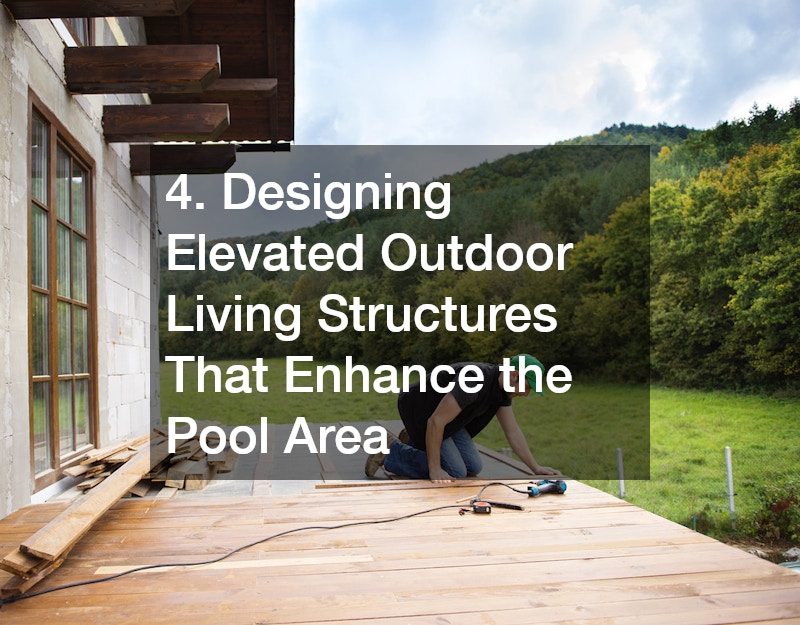
Decks are often the bridge between the pool and the rest of the outdoor environment. Working with skilled deck builders ensures that these structures are both visually appealing and structurally sound. The goal is to create a seamless transition from indoor living spaces to the pool environment.
Key design principles include:
- Aligning deck height with interior flooring for smooth transitions
- Using materials that complement pool finishes and landscaping
- Designing zones for dining, lounging, and circulation
- Ensuring structural support for heavy furniture and group gatherings
A qualified deck building contractor focuses on:
- Load-bearing design and safety compliance
- Material durability in wet environments
- Integration with lighting and landscape features
- Long-term maintenance requirements
Popular material options include:
- Natural hardwoods for warm aesthetics
- Composite materials for low maintenance
- Stone or paver systems for durability and luxury appeal
A well-designed deck enhances both usability and visual flow, turning the pool area into a complete outdoor living environment rather than a standalone feature.
5. Managing Water Flow to Protect Structure and Safety
Water management is one of the most overlooked aspects of outdoor design, yet it plays a major role in safety and durability. A properly designed deck drainage system ensures that water does not pool around walking surfaces or structural foundations.
Key functions of effective drainage include:
- Preventing slippery surfaces around the pool
- Protecting structural materials from water damage
- Reducing mold, mildew, and staining
- Extending the lifespan of decking materials
Common drainage solutions:
- Linear channel drains along deck edges
- Hidden under-deck drainage systems
- Permeable paving materials
- Graded surfaces that guide water flow
Design considerations:
- Drainage must be integrated during construction, not added later
- Slope angles must be carefully calculated for efficiency
- Drain placement should not interfere with aesthetics
- Maintenance access should be built into the design
Proper drainage ensures that luxury outdoor spaces remain both beautiful and functional over time.
6. Enhancing Privacy and Defining Outdoor Boundaries
Privacy is a key component of luxury outdoor living. A professionally handled fence installation helps define the space while enhancing safety and aesthetic appeal. Fencing should feel like a design feature, not just a boundary marker.
When working with fence installers, homeowners should focus on:
- Material compatibility with pool and landscape design
- Height and spacing for privacy without feeling enclosed
- Local regulations and safety compliance (especially for pools)
- Gate placement for convenient access and security
Popular fencing materials include:
- Aluminum for modern, low-maintenance designs
- Wood for natural warmth and customization
- Vinyl for durability and weather resistance
- Glass panels for unobstructed views in luxury settings
Proper installation ensures:
- Structural stability over time
- Alignment with grading and landscape features
- Smooth integration with lighting and hardscaping
- Safe separation between pool zones and surrounding areas
A well-designed fence contributes to both privacy and overall architectural harmony.
7. Choosing the Right Provider for Long-Term Boundary Design
Beyond installation, selecting the right fence companies ensures long-term reliability and support, which is especially important in luxury outdoor environments where fencing is both a functional barrier and a design feature. In high-end projects, fencing is rarely an isolated element—it must visually and structurally integrate with pools, landscaping, lighting, and outdoor living spaces. Because of this, the provider you choose has a direct impact on both the appearance and long-term performance of the entire property.
What to evaluate:
- Portfolio of completed residential and luxury projects, with attention to design complexity, material variety, and integration with outdoor environments
- Material options and customization capabilities, including decorative finishes, privacy configurations, and structural enhancements
- Warranty coverage and service agreements that clearly define long-term protection, repair responsibilities, and workmanship guarantees
- Responsiveness and communication during planning stages, which often reflect how organized and dependable the company will be throughout the project
A strong portfolio is especially important because it demonstrates real-world experience with projects similar in scale and sophistication to your own. Homeowners should look for evidence of clean installation lines, consistent alignment, and thoughtful integration with surrounding features rather than generic or repetitive designs.
Customization capabilities are another key factor. Luxury outdoor spaces often require fencing that complements architectural styles, elevation changes, and landscape design. A capable provider should be able to adjust height, spacing, materials, and gate placement to suit both functional and aesthetic requirements.
Key advantages of working with experienced companies:
- Better coordination with pool and landscape designers, ensuring fencing aligns seamlessly with water features, patios, and plantings
- More precise installation techniques that account for grading, soil conditions, and long-term structural stability
- Higher quality material sourcing, which improves durability, weather resistance, and visual appeal
- Stronger long-term durability and support, reducing the likelihood of warping, shifting, or premature wear
Experienced providers also tend to anticipate challenges before they arise, such as drainage conflicts, uneven terrain, or visibility concerns. This proactive approach helps prevent design compromises later in the project.
Homeowners should also request:
- Detailed project timelines that outline each phase from preparation to final inspection
- Written estimates with a full scope breakdown, including materials, labor, and optional upgrades
- Maintenance recommendations after installation to preserve appearance and structural integrity over time
These documents provide clarity and accountability, helping ensure that expectations are aligned from the beginning of the project.
A strong fencing provider contributes significantly to the overall cohesion and security of the outdoor environment by ensuring that the final result is not only functional but also visually integrated with the broader luxury design.
8. Enhancing Atmosphere Through Lighting, Landscaping, and Features
A luxury outdoor space is defined not only by structure but also by ambiance, where atmosphere plays just as important a role as physical design. Lighting, landscaping, and entertainment features work together to create an immersive environment that feels functional during the day and transformative at night. When these elements are thoughtfully integrated, the outdoor area becomes an extension of the home rather than a separate space.
Key elements include:
- LED pool lighting for nighttime aesthetics, allowing the water to become a visual centerpiece after sunset while also improving visibility and safety
- Pathway lighting for safety and navigation, ensuring guests can move comfortably between different zones without disrupting the design flow
- Accent lighting for architectural highlights, drawing attention to features such as stonework, waterfalls, or structural lines of the home and pool
- Integrated landscape illumination for depth and mood, layering light across plants, trees, and hardscape elements to create dimension and contrast
Each lighting layer serves a different purpose, but when combined, they produce a balanced environment that enhances both usability and visual appeal. Proper placement and color temperature selection are essential to avoid overly harsh or uneven lighting effects.
Additional enhancements:
- Outdoor kitchens for entertainment, designed with built-in grills, prep areas, refrigeration, and storage to support full meal preparation and hosting
- Fire pits or fireplaces for seasonal use, offering warmth and a natural gathering point during cooler evenings
- Built-in seating areas for gatherings, which help define social zones and reduce the need for movable furniture
- Water features for sound and visual appeal, such as fountains, cascades, or spillover spa designs that add movement and tranquility
These elements transform the outdoor space into a multi-functional environment where relaxation and entertainment can occur simultaneously. The combination of fire and water features, in particular, creates a dynamic contrast that enhances the overall sensory experience.
Coordinating these elements early ensures:
- Electrical systems are properly planned to support lighting, appliances, and water features without overloading circuits or requiring disruptive retrofits later
- Visual clutter is avoided by strategically hiding wiring, plumbing, and mechanical systems within the landscape design
- Energy efficiency is optimized through the thoughtful placement of lighting zones, timers, and energy-saving technologies
- Design remains cohesive across all zones so that every feature feels intentionally connected rather than independently added
Early coordination also allows designers to align functional infrastructure with aesthetic goals, ensuring that technical requirements do not compromise the visual harmony of the space.
9. Selecting Materials That Balance Luxury and Longevity
Material selection affects both appearance and long-term maintenance. High-end outdoor environments require materials that can withstand moisture, sun exposure, and frequent use while maintaining aesthetic appeal.
Common material categories:
- Natural stone for timeless luxury
- Concrete for flexibility and durability
- Wood for warmth and organic design
- Composite materials for low-maintenance performance
Key considerations:
- Slip resistance around wet areas
- Heat absorption in sunny climates
- Resistance to fading and weather damage
- Maintenance requirements over time
Choosing the right combination of materials ensures that the space remains visually appealing and functional for years.
10. Structuring Budgets and Managing Project Phases
Large-scale outdoor projects require careful financial and logistical planning. Breaking the work into phases helps maintain control over cost and quality.
Typical phases include:
- Design and planning
- Excavation and structural work
- Pool construction and installation
- Decking and landscaping
- Final detailing and finishing features
Budget considerations:
- Material selection impacts long-term cost
- Custom features increase complexity
- Labor varies depending on design detail
- Maintenance costs should be included in planning
Best practices:
- Set a realistic contingency fund
- Prioritize essential features first
- Avoid unnecessary mid-project design changes
- Review contracts carefully before construction begins
Structured planning ensures the project stays on track both financially and logistically.
Conclusion
A thoughtfully designed luxury outdoor space is the result of careful planning, expert collaboration, and attention to detail at every stage. When pool design, structural elements, drainage, privacy, and ambiance are integrated properly, the result is a cohesive environment that enhances both lifestyle and property value.